Tanzania
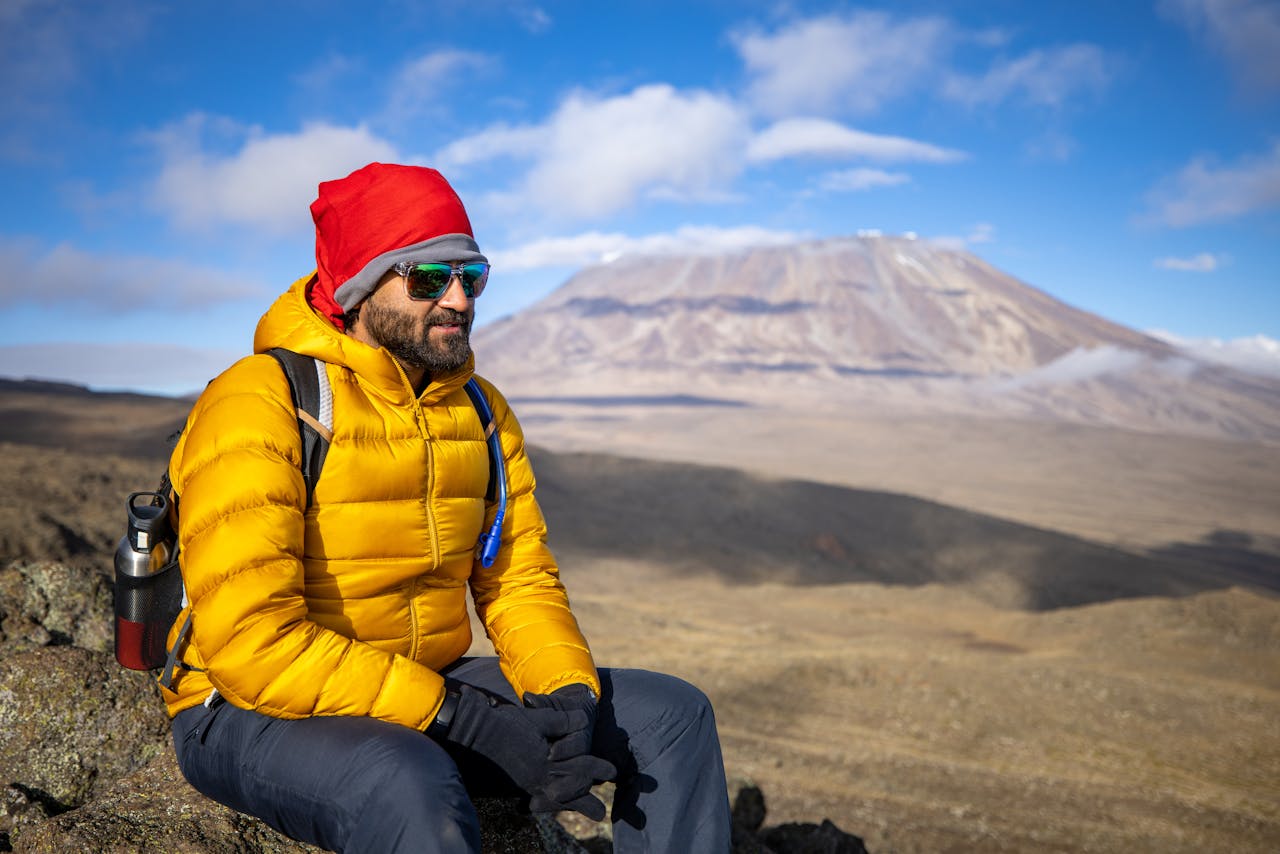
Choose Meremeta Safaris Today.
Choosing the right clothing for Mount Kilimanjaro trekking is one of the most important parts of preparing for a successful climb. Mount Kilimanjaro rises to 5,895 meters (19,341 feet) above sea level and passes through several climate zones during the trek, including tropical rainforest, moorland, alpine desert, and freezing arctic summit conditions. Because of these rapidly changing environments, climbers need proper layered clothing systems that can adapt to different temperatures and weather conditions throughout the expedition.
Unlike regular hiking trips, Kilimanjaro trekking requires climbers to prepare for both hot daytime temperatures and extremely cold summit nights. During lower sections of the mountain, trekkers may experience warm sunshine and humidity, while summit temperatures can drop far below freezing with strong winds and snow conditions. Wearing the wrong clothing can lead to discomfort, poor sleep, wet gear, cold exposure, and reduced summit performance.
The key to dressing properly for Kilimanjaro is layering. Layered clothing allows trekkers to add or remove items depending on weather, altitude, physical activity, and temperature changes during the climb. A proper Kilimanjaro clothing system usually includes base layers, insulating mid-layers, waterproof outer layers, warm summit gear, gloves, hats, hiking socks, and quality trekking boots.
Why Proper Clothing Matters on Kilimanjaro
Mount Kilimanjaro exposes trekkers to multiple climate zones and changing weather conditions during the climb.
Main Weather Challenges
- Cold summit temperatures
- Rain and mud
- Strong winds
- Intense sun exposure
- Large temperature changes
Proper clothing improves warmth, comfort, safety, and summit performance.
Understanding Kilimanjaro Climate Zones
| Climate Zone | Typical Conditions |
|---|---|
| Rainforest Zone | Warm, humid, rainy |
| Moorland Zone | Cool and windy |
| Alpine Desert | Cold, dry, dusty |
| Summit Zone | Freezing temperatures and snow |
The Layering System for Kilimanjaro
The layering system allows trekkers to adjust clothing based on weather and altitude conditions.
Main Clothing Layers
:contentReference[oaicite:0]{index=0}- Base layers for moisture control
- Mid layers for insulation
- Outer layers for rain and wind protection
1. Base Layers
Purpose of Base Layers
Base layers help keep the body dry by moving sweat away from the skin.
Recommended Base Layer Clothing
- Moisture-wicking thermal tops
- Thermal leggings
- Breathable trekking shirts
Materials to Choose
- Merino wool
- Synthetic moisture-wicking fabrics
What to Avoid
- Cotton clothing
2. Mid Layers
Purpose of Mid Layers
Mid layers provide warmth and insulation during cold conditions.
Recommended Mid Layer Clothing
- Fleece jackets
- Insulated jackets
- Warm hiking pants
3. Outer Layers
Purpose of Outer Layers
Outer layers protect climbers from rain, snow, and strong winds.
Recommended Outer Layer Clothing
- Waterproof rain jacket
- Windproof shell jacket
- Waterproof trekking pants
Important Features
- Waterproof materials
- Breathable fabric
- Wind resistance
What to Wear During Summit Night
Summit night is the coldest and most challenging part of the Kilimanjaro climb.
Essential Summit Clothing
- Heavy down jacket
- Thermal base layers
- Warm fleece layers
- Insulated gloves or mittens
- Balaclava or neck gaiter
- Warm winter hat
Typical Summit Temperatures
:contentReference[oaicite:1]{index=1}Best Hiking Pants for Kilimanjaro
Recommended Features
- Quick-drying material
- Lightweight design
- Flexible movement
- Water resistance
Recommended Options
- Convertible trekking pants
- Soft-shell hiking pants
- Thermal trekking pants
Best Jackets for Kilimanjaro
| Jacket Type | Purpose |
|---|---|
| Fleece Jacket | Warmth during trekking |
| Down Jacket | Summit insulation |
| Rain Jacket | Waterproof protection |
| Shell Jacket | Wind protection |
Best Footwear for Kilimanjaro
Hiking Boots
Proper trekking boots are essential for comfort and stability on Kilimanjaro.
Important Features
- Waterproof protection
- Ankle support
- Strong grip and traction
- Comfort for long hikes
Additional Footwear
- Camp shoes or sandals
- Extra hiking socks
Best Socks for Kilimanjaro
Recommended Sock Materials
- Merino wool socks
- Moisture-wicking hiking socks
Why Good Socks Matter
- Prevent blisters
- Improve warmth
- Reduce foot discomfort
Gloves, Hats, and Headwear
Essential Accessories
- Warm insulated gloves
- Waterproof outer gloves
- Sun hat or cap
- Warm beanie or winter hat
- Balaclava or neck gaiter
Rainy Season Clothing Tips
Trekkers climbing during rainy seasons should prepare for wet and muddy trail conditions.
Extra Rain Protection
- Waterproof backpack cover
- Extra rain jacket
- Quick-drying clothing
- Waterproof gaiters
What to Wear While Sleeping
Recommended Sleeping Clothing
- Thermal sleepwear
- Warm socks
- Fleece layers
- Beanie for cold nights
Clothing Mistakes to Avoid
- Using cotton clothing
- Bringing heavy unnecessary items
- Wearing brand-new hiking boots
- Ignoring waterproof layers
- Underestimating summit cold
Can You Rent Clothing in Tanzania?
Yes, many Kilimanjaro tour companies offer trekking gear rental services.
Common Rental Clothing
- Down jackets
- Sleeping bags
- Waterproof pants
- Trekking poles
- Gaiters
Recommended Clothing Checklist
| Category | Essential Clothing |
|---|---|
| Base Layers | Thermals and moisture-wicking shirts |
| Mid Layers | Fleece and insulated jackets |
| Outer Layers | Waterproof shell jacket and pants |
| Summit Gear | Down jacket, gloves, thermal wear |
| Footwear | Hiking boots and warm socks |
Best Tips for Dressing on Kilimanjaro
- Dress in layers
- Stay dry whenever possible
- Adjust clothing during hiking
- Protect hands and feet from cold
- Use breathable fabrics
Final Thoughts on What to Wear for Kilimanjaro Trekking
Wearing the right clothing on Mount Kilimanjaro is essential for comfort, safety, and overall trekking success. Climbers must prepare for multiple climate zones, cold summit temperatures, rain, wind, and changing weather conditions during the expedition.
A proper layering system with moisture-wicking base layers, warm insulating clothing, and waterproof outer protection helps trekkers stay comfortable throughout the climb. Summit night especially requires high-quality cold-weather gear to handle freezing temperatures and strong winds.
By packing smartly and dressing properly for every stage of the trek, climbers can improve their comfort, energy levels, and chances of successfully reaching the summit of Africa’s highest mountain.
Book This Tour
Why Book With Us?
- Experienced local guides
- Flexible, tailor-made safaris
- Secure bookings & trusted service
- 24/7 client support