
Tanzania
Choose Meremeta Safaris Today.
Altitude sickness is one of the biggest challenges faced by climbers attempting to summit Mount Kilimanjaro. Standing at 5,895 meters (19,341 feet), Kilimanjaro reaches extremely high elevations where oxygen levels become significantly lower than at sea level. As climbers ascend the mountain, the body must gradually adapt to thinner air and reduced oxygen availability. Without proper acclimatization, many trekkers experience symptoms of altitude sickness that can affect comfort, trekking performance, and summit success.
Although Mount Kilimanjaro does not require technical climbing skills, altitude sickness remains the main reason many climbers fail to reach Uhuru Peak. Even physically fit and experienced hikers can suffer from altitude-related problems because altitude affects people differently regardless of age, fitness level, or previous trekking experience.
Altitude sickness can range from mild headaches and fatigue to more serious conditions that require immediate descent. Fortunately, proper acclimatization strategies, slow trekking pace, hydration, route selection, nutrition, and experienced guides can significantly reduce the risks associated with high altitude climbing.
Longer Kilimanjaro routes with gradual altitude gain generally provide better acclimatization opportunities and higher summit success rates. Climbers who rush the ascent or choose very short itineraries often face greater difficulty adapting to altitude changes.
What is Altitude Sickness?
Altitude sickness occurs when the body struggles to adapt to lower oxygen levels at high elevations.
Why It Happens on Kilimanjaro
:contentReference[oaicite:0]{index=0}As climbers ascend Mount Kilimanjaro, oxygen pressure decreases significantly, making breathing and physical activity more difficult.
How High is Mount Kilimanjaro?
:contentReference[oaicite:1]{index=1}At this altitude, oxygen availability is much lower compared to sea level conditions.
Common Symptoms of Altitude Sickness
Mild Symptoms
- Headaches
- Fatigue
- Dizziness
- Loss of appetite
- Nausea
- Difficulty sleeping
Moderate Symptoms
- Persistent headaches
- Vomiting
- Severe weakness
- Shortness of breath
- Difficulty walking normally
Serious Altitude Conditions
Severe altitude sickness can become dangerous and requires immediate medical attention or descent.
Danger Signs
- Confusion
- Loss of coordination
- Difficulty breathing at rest
- Chest tightness
- Severe coughing
Experienced Kilimanjaro guides monitor climbers carefully for these symptoms during the trek.
Who Can Get Altitude Sickness?
Anyone can develop altitude sickness regardless of fitness level or age.
Important Facts
- Fitness does not guarantee immunity
- Beginners and experienced hikers can both be affected
- Everyone adapts differently to altitude
Best Ways to Prevent Altitude Sickness
1. Climb Slowly
Slow ascent is one of the most effective altitude prevention strategies.
Why Slow Climbing Helps
:contentReference[oaicite:2]{index=2}- Allows the body time to adjust
- Reduces stress on the body
- Improves oxygen adaptation
2. Choose Longer Routes
Longer Kilimanjaro routes provide more time for acclimatization.
| Route Duration | Acclimatization Quality |
|---|---|
| 5–6 Days | Lower acclimatization |
| 7–8 Days | Better acclimatization |
| 9+ Days | Excellent acclimatization |
3. Stay Hydrated
Proper hydration helps the body function more efficiently at high altitude.
Hydration Recommendations
- Drink water regularly
- Use electrolyte supplements
- Avoid dehydration
Typical Daily Hydration Goal
:contentReference[oaicite:3]{index=3}4. Eat Properly During the Trek
Nutrition plays an important role in maintaining energy and supporting acclimatization.
Recommended Foods
- Carbohydrate-rich meals
- Energy snacks
- Warm soups
- Fruits and vegetables
5. Listen to Your Guides
Experienced Kilimanjaro guides understand altitude symptoms and monitor climbers daily.
Guide Safety Checks
- Symptom monitoring
- Pulse and oxygen checks
- Daily health assessments
Best Kilimanjaro Routes for Acclimatization
| Route | Acclimatization Quality |
|---|---|
| Lemosho Route | Excellent |
| Northern Circuit | Outstanding |
| Machame Route | Very Good |
| Marangu Route | Moderate |
Altitude Sickness Medication
Diamox (Acetazolamide)
Diamox is commonly used to help reduce altitude sickness symptoms and improve acclimatization.
Important Notes
- Consult a doctor before use
- Medication does not replace acclimatization
- Follow proper dosage instructions
How Guides Handle Severe Altitude Problems
Safety is the top priority during Kilimanjaro expeditions.
Emergency Procedures
- Immediate descent
- Oxygen support if available
- Emergency evacuation when necessary
Summit Night and Altitude Challenges
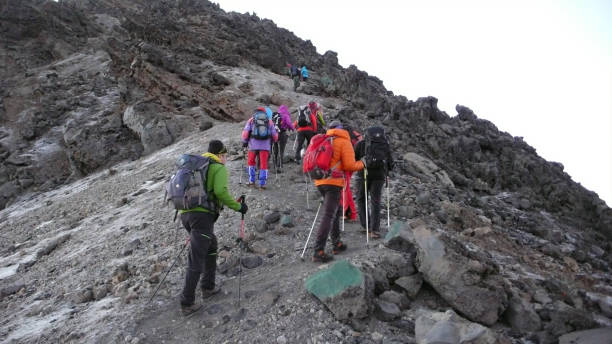
Summit night is the most difficult stage because climbers are trekking at extreme altitude during freezing nighttime conditions.
Main Summit Challenges
- Low oxygen levels
- Cold temperatures
- Physical exhaustion
- Steep uphill trekking
How to Improve Acclimatization Before the Climb
Preparation Tips
- Train physically before trekking
- Sleep well before travel
- Avoid excessive alcohol before the climb
- Arrive rested and hydrated
Common Mistakes That Increase Altitude Risks
- Choosing routes that are too short
- Walking too fast
- Ignoring symptoms
- Not drinking enough water
- Skipping meals
Can Beginners Safely Climb Kilimanjaro?
Yes, many beginners safely summit Kilimanjaro every year by using proper acclimatization strategies and experienced guides.
Important Beginner Tips
- Choose beginner-friendly routes
- Select longer itineraries
- Follow guide instructions carefully
- Climb slowly and steadily
How Altitude Affects Summit Success
Altitude adaptation is one of the biggest factors affecting summit success rates on Kilimanjaro.
:contentReference[oaicite:4]{index=4}Signs You Should Descend Immediately
- Severe breathing problems
- Confusion or disorientation
- Loss of coordination
- Chest pain
- Inability to continue walking safely
Important Packing Items for Altitude Management
- Hydration system
- Electrolyte tablets
- Warm layered clothing
- Energy snacks
- Personal medications
Final Thoughts on Kilimanjaro Altitude Sickness Prevention
Altitude sickness is one of the most important challenges climbers face on Mount Kilimanjaro, but proper preparation and acclimatization can significantly reduce the risks. Slow trekking pace, hydration, proper nutrition, longer routes, and experienced guides are essential for safe and successful climbing.
Although altitude affects everyone differently, many beginners and experienced trekkers successfully reach Uhuru Peak every year by following proper altitude prevention strategies and listening carefully to their guides throughout the expedition.
Understanding altitude sickness symptoms and knowing when to rest or descend can help climbers stay safe while enjoying one of the world’s greatest trekking adventures on Africa’s highest mountain.
Book This Tour
Why Book With Us?
- Experienced local guides
- Flexible, tailor-made safaris
- Secure bookings & trusted service
- 24/7 client support