Ngorongoro Crater Conservation Area – Complete Guide for Tanzania Safari
The Ngorongoro Crater Conservation Area is one of Tanzania’s most renowned natural wonders. Situated in northern Tanzania, this UNESCO World Heritage Site is famous for its breathtaking landscapes, the largest intact volcanic caldera in the world, and rich wildlife diversity. It is often considered a must-visit destination for anyone seeking a combination of wildlife adventure, spectacular scenery, and cultural experiences with the Maasai people. Spanning approximately 8,292 square kilometers, the conservation area combines highlands, savannahs, forests, and the iconic crater floor, offering unique ecosystems for both wildlife and humans.
History and Establishment
The Ngorongoro Conservation Area was established in 1959 to protect both wildlife and the Maasai communities who have lived in the region for centuries. Unlike most national parks in Tanzania, the area allows Maasai pastoralists to continue their traditional way of life while coexisting with wildlife. The centerpiece of the area, the Ngorongoro Crater, is the world’s largest intact volcanic caldera, formed roughly two to three million years ago from the collapse of a massive volcano.
Over the decades, the area has become a model for combining conservation with human habitation. In addition to preserving wildlife, the Ngorongoro Conservation Area safeguards cultural heritage, maintaining traditional Maasai practices, and promoting sustainable tourism that benefits local communities.
Geography and Unique Features
The Ngorongoro Crater measures approximately 20 kilometers in diameter and 600 meters deep. The crater floor is a unique ecosystem consisting of open grasslands, swamps, and soda lakes that provide habitats for a wide range of wildlife. The caldera’s walls, rising up to 610 meters, create a natural enclosure, allowing animals to thrive with minimal migration pressure. The surrounding highlands, rolling hills, and escarpments offer stunning panoramic views and habitats for elephants, buffalo, and other wildlife.
One of the crater’s defining features is its soda lakes, including Lake Magadi, which attracts flamingos and other bird species. This combination of geological wonders, fertile soils, and diverse habitats makes Ngorongoro a microcosm of East African biodiversity.
Wildlife in Ngorongoro Crater
The crater is home to one of the densest concentrations of wildlife in Africa, making it a top destination for game drives. The area hosts a variety of herbivores, carnivores, and bird species, including some of Africa’s iconic “Big Five.” Wildlife highlights include:
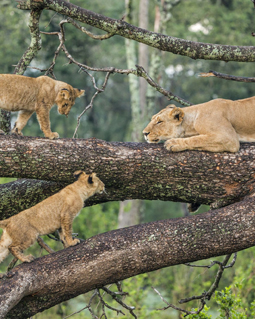
- Lions: The crater hosts a large population of lions, often seen resting under acacia trees or hunting across the plains.
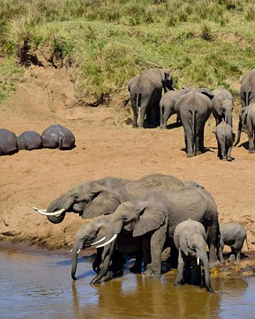
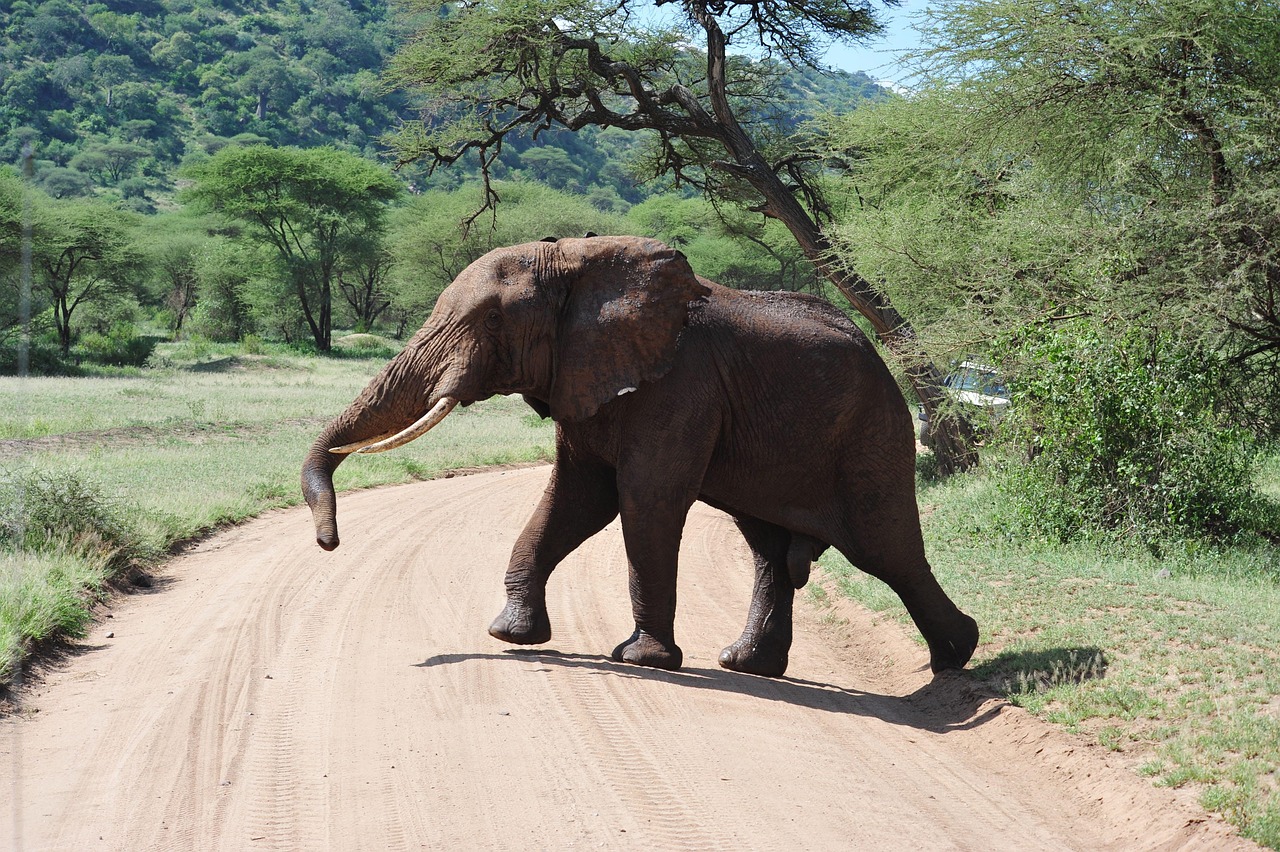
- Elephants: Small herds of elephants roam the crater floor and surrounding highlands.
- Black Rhinos: Critically endangered rhinos are protected in the area, providing one of the best chances to spot them in the wild.
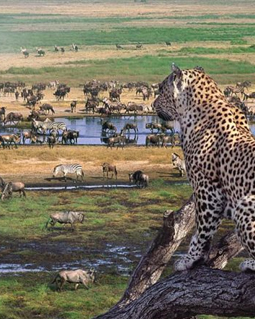
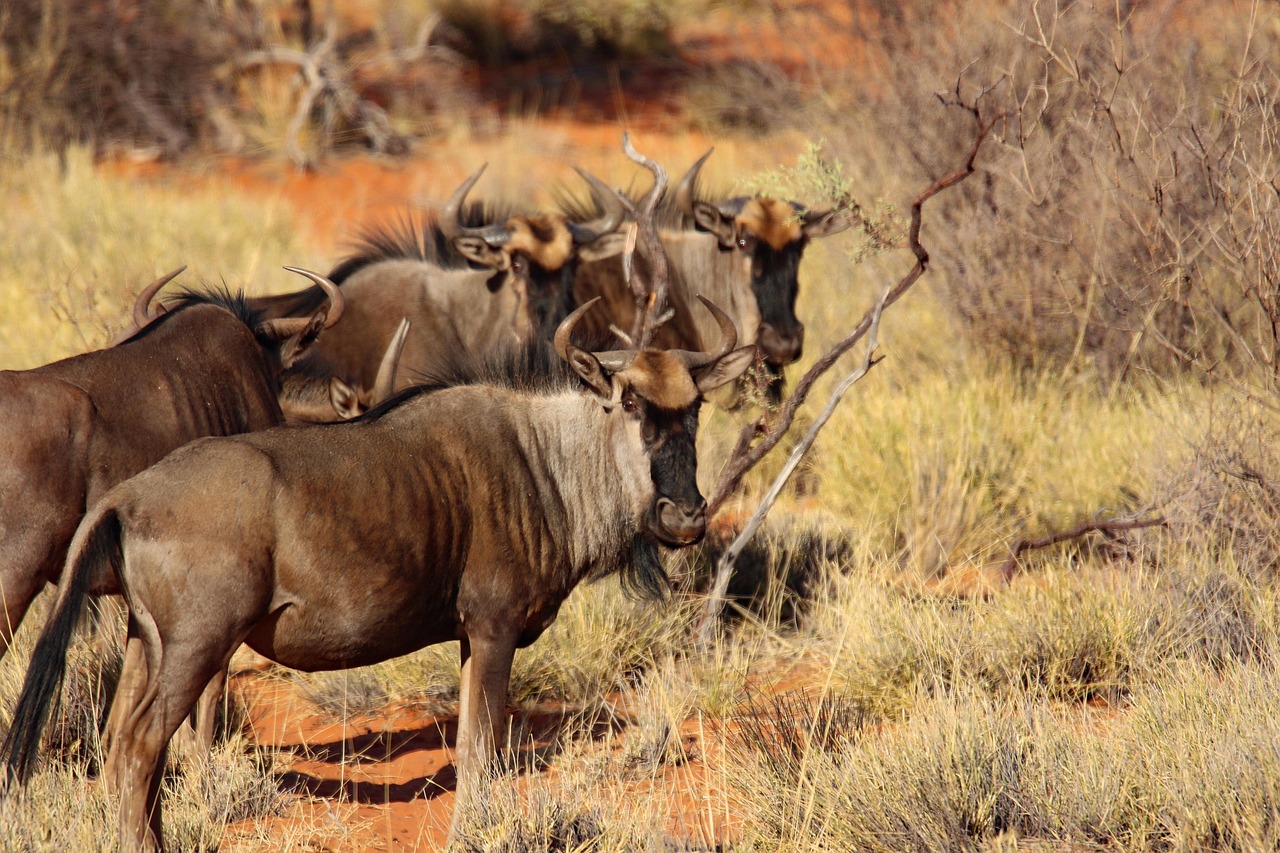
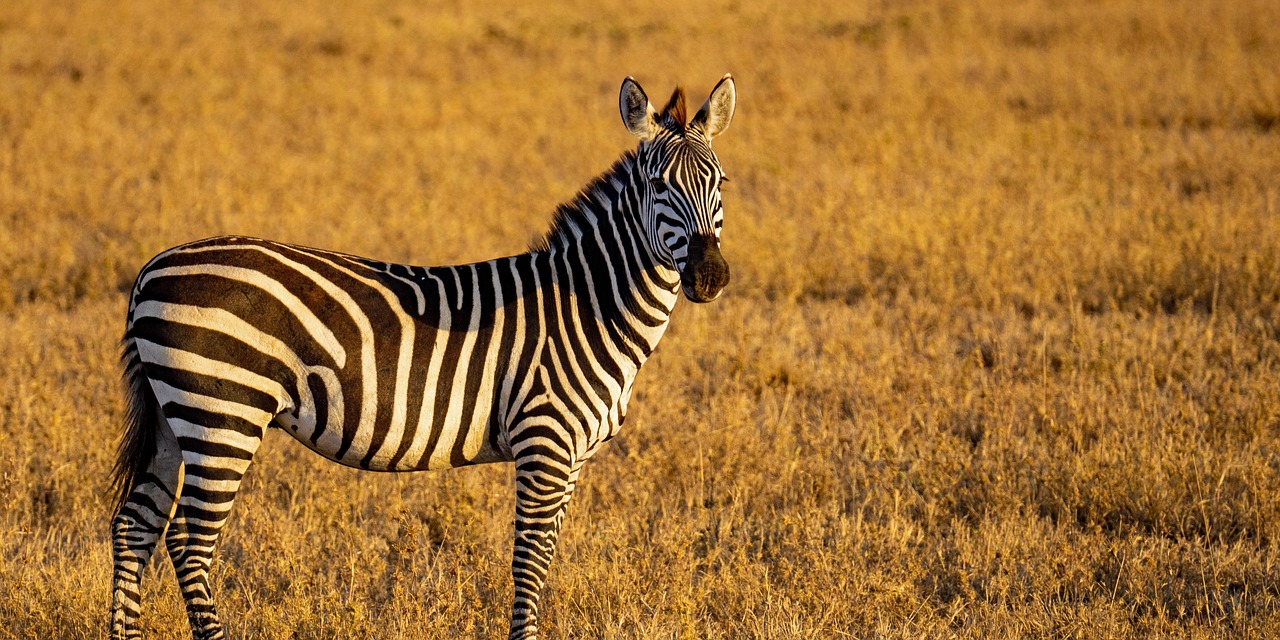
- Buffalo, giraffes, zebras, and wildebeests: Commonly seen grazing on the fertile crater floor.
- Hippos and crocodiles: Found in crater lakes and rivers.
- Bird species: Over 500 species, including flamingos, ostriches, eagles, and pelicans.
Visiting the Ngorongoro Crater is a once-in-a-lifetime experience. The high concentration of wildlife in a relatively small area allows for exceptional viewing and photography opportunities.
Best Time to Visit
The Ngorongoro Conservation Area can be visited year-round, but certain seasons offer optimal wildlife viewing and scenery:
- June to October: Dry season; animals gather around waterholes, making sightings easier.
- December to March: Green season; lush landscapes and newborn animals can be observed, though some areas may be muddy.
- July to September: Ideal for combining Ngorongoro with nearby Serengeti safari trips.
Activities in Ngorongoro
Visitors to Ngorongoro can enjoy a range of activities that provide unforgettable experiences:
- Game Drives: Explore the crater floor with professional guides, spotting the Big Five and other wildlife.
- Walking Safaris: Guided short walks around the crater rim and highlands for birdwatching and photography.
- Cultural Visits: Meet Maasai communities, learn about traditional lifestyles, and explore their villages.
- Photography Safaris: Capture dramatic landscapes, wildlife interactions, and crater panoramas.
- Volcano Hikes: Explore Olmoti or Empakaai volcanoes within the conservation area for stunning views.
Accommodation Options
The Ngorongoro Conservation Area offers a variety of accommodation options suited for different budgets:
- Luxury Lodges: High-end lodges with private decks, gourmet dining, and exclusive safari arrangements.
- Mid-range Lodges and Tented Camps: Comfortable accommodations located close to the crater rim or within wildlife corridors.
- Budget Campsites: For adventurous travelers who prefer close-to-nature experiences.
Travel Tips
- Book game drives and accommodations well in advance, especially during peak tourist seasons.
- Carry binoculars, a camera, sunscreen, insect repellent, and comfortable walking shoes.
- Respect wildlife and maintain a safe distance during game drives.
- Consider hiring an experienced guide to enhance your understanding of the wildlife and Maasai culture.
- Prepare for varying temperatures; the highlands can be cool while the crater floor is warmer.
Why Ngorongoro Crater Conservation Area is a Must-Visit
The Ngorongoro Crater combines natural beauty, extraordinary wildlife, and cultural richness in a way that few other destinations in the world can match. It offers an exceptional safari experience where visitors can see multiple ecosystems, endangered species, and Maasai culture within a single area. The crater floor provides easy access to wildlife, making it ideal for photographers, nature enthusiasts, and families seeking a safe yet immersive safari experience.
From spotting lions and rhinos to watching flamingos on soda lakes and exploring Maasai villages, the Ngorongoro Conservation Area delivers memories that last a lifetime.
Conservation and Sustainability
The Ngorongoro Conservation Area is a global example of sustainable conservation. Strict anti-poaching measures, community engagement, and sustainable tourism practices protect the region’s biodiversity. By visiting Ngorongoro, travelers contribute to the preservation of one of the world’s most important ecosystems while supporting the local Maasai communities.
Conservation efforts include wildlife monitoring, habitat protection, and education programs for local communities. These initiatives ensure that the Ngorongoro Crater remains a thriving sanctuary for generations to come.
Planning Your Visit
Most visitors reach Ngorongoro from Arusha or nearby safari lodges in northern Tanzania. It is often combined with a Serengeti safari to maximize wildlife viewing. A typical visit includes a full-day game drive in the crater, early morning departures to catch wildlife at their most active, and optional cultural experiences in Maasai villages.
Travelers should allow at least 1-2 full days to experience Ngorongoro fully, though multi-day safaris provide a richer exploration of the crater and surrounding highlands.
Final Thoughts
The Ngorongoro Crater Conservation Area is a top-tier destination for anyone traveling to Tanzania. Its unique combination of geological wonder, abundant wildlife, and vibrant Maasai culture ensures a safari experience unlike any other. Whether you are seeking adventure, wildlife photography, or cultural enrichment, Ngorongoro offers it all in a breathtaking natural setting.
Visiting Ngorongoro is more than just a safari; it is an opportunity to witness the delicate balance between nature and human life, a truly unforgettable journey into one of Africa’s most extraordinary landscapes.