
Tanzania
Choose Meremeta Safaris Today.
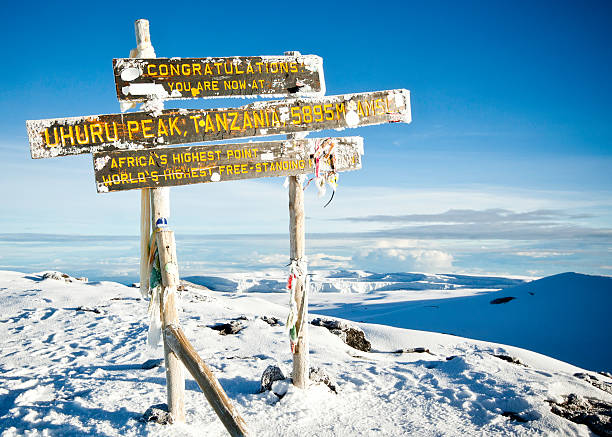
The time it takes to climb Mount Kilimanjaro depends mainly on the route you choose, the level of acclimatization, and your overall trekking pace. Although Kilimanjaro can technically be climbed in as little as 5 days, most successful and safer climbs take between 6 and 9 days. The mountain stands at 5,895 meters (19,341 feet), and reaching the summit requires gradual ascent to allow the body to adjust to decreasing oxygen levels.
Unlike short hikes or technical climbs, Kilimanjaro is a multi-day trekking expedition that passes through several climate zones, including rainforest, moorland, alpine desert, and arctic summit conditions. Each day involves several hours of walking, camp setup, rest, and altitude adjustment. Because of this, the total duration is not just about distance but also about how well your body adapts to altitude.
Shorter routes are more physically demanding because they give less time for acclimatization, while longer routes improve summit success rates significantly. Most experienced guides recommend choosing longer itineraries to increase safety and reduce the risk of altitude sickness.
In general, first-time climbers are encouraged to plan for at least 7–8 days on the mountain. This allows for a slower ascent, better adaptation, and a more comfortable trekking experience. The summit attempt usually happens on the final night or early morning hours of the last days, depending on the route.
How Long Does It Take to Climb Kilimanjaro?
Most Kilimanjaro climbs take between 5 and 9 days depending on the route and acclimatization strategy.
Typical Duration Range
:contentReference[oaicite:0]{index=0}Shorter climbs are faster but more difficult, while longer climbs provide better acclimatization and higher success rates.
Kilimanjaro Duration by Route
| Route | Typical Duration |
|---|---|
| Marangu Route | 5–6 days |
| Machame Route | 6–7 days |
| Lemosho Route | 7–8 days |
| Rongai Route | 6–7 days |
| Northern Circuit | 8–9 days |
| Umbwe Route | 5–6 days |
Why Kilimanjaro Takes Several Days to Climb
Climbing Kilimanjaro is not just about distance but also about altitude adaptation.
Main Reasons for Multi-Day Trek
- High altitude acclimatization
- Long daily hiking hours
- Rest and recovery time
- Weather and terrain changes
- Summit night preparation
Daily Hiking Schedule on Kilimanjaro
Typical Day Structure
- Early morning breakfast
- 6–8 hours of trekking
- Lunch on the trail
- Afternoon arrival at camp
- Rest, dinner, and sleep
Summit Night Timing
The summit attempt is usually done at night or very early morning to reach Uhuru Peak at sunrise.
Summit Schedule Example
- Start hiking: 11:00 PM – 12:00 AM
- Steep ascent: 6–8 hours
- Reach Uhuru Peak: sunrise
- Descent to camp: 3–5 hours
5-Day vs 7-Day vs 9-Day Climbs
5-Day Climbs
Very fast ascent with low acclimatization time.
- Higher difficulty
- Lower success rates
- Recommended for experienced trekkers only
7-Day Climbs
Balanced option for most climbers.
- Good acclimatization
- Moderate difficulty
- High success rates
9-Day Climbs
Best for acclimatization and summit success.
- Slow ascent
- Highest success rates
- More comfortable trekking pace
How Altitude Affects Duration
The higher you climb, the more time your body needs to adjust to reduced oxygen levels.
:contentReference[oaicite:1]{index=1}Best Kilimanjaro Routes for Longer Climbs
| Route | Why Choose It |
|---|---|
| Lemosho | Excellent acclimatization |
| Northern Circuit | Longest route, highest success rate |
| Machame | Balanced duration and scenery |
Best Routes for Short Climbs
| Route | Why It’s Short |
|---|---|
| Marangu | 5–6 day hut route |
| Umbwe | Very direct and steep ascent |
Who Should Choose Longer Routes?
- First-time climbers
- Beginners with no altitude experience
- Travelers prioritizing safety and comfort
- Those wanting higher summit success rates
Who Chooses Short Routes?
- Experienced trekkers
- Fit and fast hikers
- Budget travelers with limited time
Rest Days and Acclimatization Days
Some routes include extra acclimatization days to help the body adjust better.
Benefits of Extra Days
- Improved oxygen adaptation
- Reduced altitude sickness risk
- Higher summit success rates
How Weather Affects Duration
| Condition | Impact on Climb |
|---|---|
| Rainy season | Slower trekking conditions |
| Cold summit nights | More breaks needed |
| Strong winds | Reduced hiking speed |
Best Time of Day on Kilimanjaro
- Morning: Cold but stable hiking conditions
- Afternoon: Warmer but sometimes cloudy
- Night (summit): Coldest and most difficult phase
Common Mistakes That Affect Duration
- Choosing very short itineraries
- Walking too fast
- Ignoring acclimatization rules
- Poor physical preparation
Recommended Duration for Beginners
Most experts recommend at least 7–8 days for first-time climbers.
:contentReference[oaicite:2]{index=2}Final Thoughts on Kilimanjaro Climb Duration
The time required to climb Mount Kilimanjaro depends heavily on the route and acclimatization strategy. While shorter climbs are possible, they are more physically demanding and less successful due to limited adaptation time at high altitude.
Longer itineraries provide a safer and more enjoyable experience, allowing climbers to adjust gradually to changing elevations and improving the chances of reaching Uhuru Peak successfully.
For most beginners, a 7–9 day climb is the ideal balance between safety, comfort, and summit success on Africa’s highest mountain.
Book This Tour
Why Book With Us?
- Experienced local guides
- Flexible, tailor-made safaris
- Secure bookings & trusted service
- 24/7 client support