Tanzania
Choose Meremeta Safaris Today.
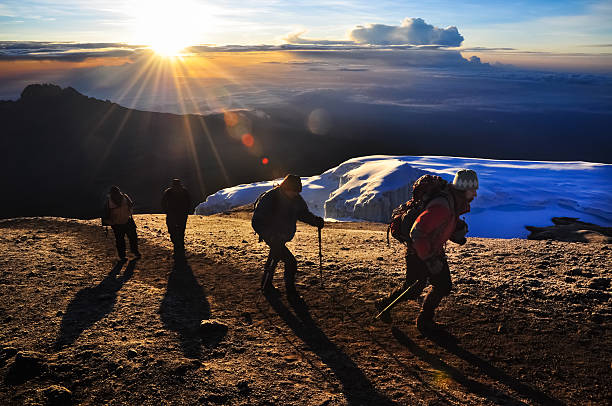
Climbing Mount Kilimanjaro is one of the world’s most famous trekking adventures and a major bucket-list experience for travelers visiting Tanzania. Standing at 5,895 meters (19,341 feet), Mount Kilimanjaro is the tallest mountain in Africa and the highest free-standing mountain in the world. Although Kilimanjaro does not require technical climbing skills like ropes or ice axes on standard routes, the trek is still physically and mentally challenging for many climbers.
The biggest challenge on Kilimanjaro is not necessarily the hiking itself, but the high altitude. As climbers ascend the mountain, oxygen levels decrease significantly, making breathing more difficult and increasing the risk of altitude sickness. Many people who are physically fit still struggle because their bodies are not fully adapted to high elevations.
Kilimanjaro climbs usually take between 5 and 9 days depending on the chosen route. During the trek, climbers pass through multiple climate zones including rainforest, moorland, alpine desert, and freezing arctic summit conditions. Trekkers must handle long hiking hours, changing weather, cold temperatures, fatigue, and steep summit night climbs while maintaining enough energy for the entire expedition.
Is Kilimanjaro Difficult to Climb?
Yes, Mount Kilimanjaro is considered physically challenging, especially because of the high altitude and long trekking days.
Main Reasons Kilimanjaro is Difficult
- High altitude and reduced oxygen levels
- Cold summit temperatures
- Long hiking hours
- Physical fatigue
- Rapid elevation gain
- Changing weather conditions
However, Kilimanjaro is still achievable for many beginners with proper preparation and determination.
Do You Need Technical Climbing Skills?
No, standard Kilimanjaro routes do not require technical mountaineering skills.
What You Do NOT Need
- Ropes
- Ice climbing skills
- Rock climbing experience
- Technical mountaineering equipment
What You DO Need
- Good physical fitness
- Mental determination
- Proper trekking gear
- Ability to hike for multiple days
The Biggest Challenge: Altitude Sickness
Altitude sickness is the main reason many climbers fail to reach the summit.
Why Altitude is Difficult
As altitude increases, oxygen levels decrease, making physical activity more difficult.
Common Altitude Symptoms
- Headaches
- Nausea
- Dizziness
- Loss of appetite
- Difficulty sleeping
- Fatigue
How High is Kilimanjaro?
:contentReference[oaicite:0]{index=0}Mount Kilimanjaro rises to 5,895 meters above sea level, making altitude adaptation one of the most important parts of the climb.
How Long Does the Climb Take?
| Route Type | Average Duration |
|---|---|
| Short Routes | 5–6 Days |
| Standard Routes | 6–8 Days |
| Long Acclimatization Routes | 8–9 Days |
Longer routes usually provide better acclimatization and higher summit success rates.
How Physically Fit Do You Need to Be?
You do not need to be a professional athlete, but good cardiovascular fitness and hiking endurance are extremely important.
Recommended Physical Abilities
- Ability to hike for 6–8 hours daily
- Strong leg endurance
- Good stamina
- Ability to handle uphill trekking
Best Training Before Climbing Kilimanjaro
Recommended Training Activities
- Long-distance hiking
- Stair climbing
- Cardio workouts
- Running or cycling
- Strength training
How Early Should You Start Training?
- Ideally 2–4 months before the trek
Which Kilimanjaro Route is the Easiest?
| Route | Difficulty Level |
|---|---|
| Marangu Route | Moderate |
| Machame Route | Moderate to Challenging |
| Lemosho Route | Moderate with good acclimatization |
| Umbwe Route | Very Challenging |
| Rongai Route | Moderate |
Why Summit Night is the Hardest Part
Summit night is often considered the most difficult stage of the entire climb.
Why Summit Night is Challenging
- Extreme cold temperatures
- Low oxygen levels
- Steep uphill climbing
- Climbing in darkness
- Physical exhaustion
Typical Summit Conditions
- Temperatures below freezing
- 8–12 hours of hiking
- Slow trekking pace
What Percentage of Climbers Reach the Summit?
Success rates vary depending on route length, acclimatization time, fitness, and weather conditions.
| Route Duration | Approximate Success Rate |
|---|---|
| 5-Day Routes | Lower success rates |
| 7–8 Day Routes | Higher success rates |
Longer routes generally provide much better chances of reaching Uhuru Peak successfully.
Can Beginners Climb Kilimanjaro?
Yes, many first-time trekkers successfully climb Kilimanjaro every year.
Why Beginners Can Succeed
- No technical climbing required
- Professional guides assist throughout the climb
- Multiple route options available
- Gradual acclimatization on longer routes
Mental Challenges on Kilimanjaro
Mental strength is just as important as physical fitness during the climb.
Common Mental Challenges
- Fatigue
- Cold temperatures
- Sleep difficulties
- Long hiking days
- Summit night stress
Weather Challenges on Kilimanjaro
| Climate Zone | Main Challenge |
|---|---|
| Rainforest | Humidity and rain |
| Moorland | Wind exposure |
| Alpine Desert | Dry cold air |
| Summit Zone | Freezing temperatures |
How to Make the Climb Easier
Important Tips
- Choose longer routes
- Walk slowly and steadily
- Drink plenty of water
- Train before your climb
- Pack proper clothing and gear
- Listen to your guides
Best Routes for First-Time Climbers
- Lemosho Route
- Machame Route
- Rongai Route
These routes provide better acclimatization opportunities and balanced trekking experiences.
How Difficult is Kilimanjaro Compared to Other Treks?
Kilimanjaro is considered more difficult than many standard hiking trails because of altitude, but easier than technical mountaineering peaks.
Main Difficulty Factors
- High elevation
- Multi-day trekking
- Cold summit conditions
- Altitude adaptation
Important Packing Tips for Difficult Conditions
- Bring layered clothing
- Use waterproof hiking boots
- Carry warm summit gloves and hats
- Use trekking poles for stability
Final Thoughts on How Hard It Is to Climb Kilimanjaro
Climbing Mount Kilimanjaro is physically and mentally demanding, but it is achievable for many people with proper preparation, determination, and the right support team. The biggest challenge is usually altitude rather than technical climbing difficulty.
By training properly, choosing the right route, allowing enough acclimatization time, and trekking slowly, beginners and experienced hikers alike can significantly improve their chances of reaching the summit successfully.
Although the climb can be challenging, standing on Uhuru Peak above the clouds remains one of the most rewarding and unforgettable travel achievements in the world.
Book This Tour
Why Book With Us?
- Experienced local guides
- Flexible, tailor-made safaris
- Secure bookings & trusted service
- 24/7 client support