Tanzania
Choose Meremeta Safaris Today.
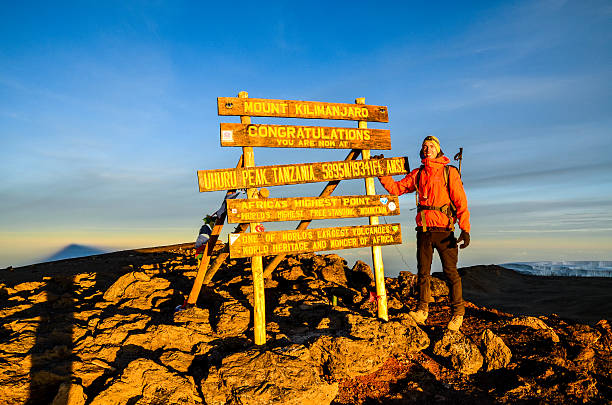
Climbing Mount Kilimanjaro is one of the greatest trekking adventures in Africa and requires careful preparation to ensure safety, comfort, and a successful summit experience. Standing at 5,895 meters (19,341 feet), Kilimanjaro takes climbers through multiple climate zones ranging from tropical rainforest to freezing alpine desert and arctic summit conditions.
Because temperatures and weather conditions change dramatically during the trek, packing the right gear is one of the most important parts of preparing for Kilimanjaro. Many climbers underestimate how cold the summit night can become, while others overpack unnecessary items that make trekking more difficult. A proper Kilimanjaro packing list helps hikers stay warm, dry, comfortable, and physically prepared throughout the climb.
The ideal Kilimanjaro gear checklist includes layered clothing systems, waterproof hiking equipment, warm summit gear, sleeping essentials, trekking accessories, hydration systems, and personal items designed for high-altitude mountain trekking. The required equipment may also vary slightly depending on the climbing route, season, weather conditions, and duration of the trek.
Most Kilimanjaro climbs last between 5 and 9 days, meaning climbers need practical and lightweight equipment suitable for extended trekking while adapting to changing altitude and temperatures. Climbers also need to prepare for rain, wind, dust, strong sunlight, and freezing summit conditions during the expedition.
Why Proper Packing is Important for Kilimanjaro
Mount Kilimanjaro exposes climbers to several climate zones and rapidly changing weather conditions during the trek.
Main Challenges Climbers Face
- Cold summit temperatures
- Rain and muddy trails
- Strong sun exposure
- Wind and dust
- High-altitude conditions
Proper packing improves comfort, safety, and overall summit success rates.
Understanding Kilimanjaro Climate Zones
| Climate Zone | Conditions |
|---|---|
| Rainforest Zone | Warm, humid, rainy |
| Moorland Zone | Cool and windy |
| Alpine Desert | Dry, dusty, cold nights |
| Arctic Summit Zone | Freezing temperatures and snow |
Essential Clothing Layers for Kilimanjaro
1. Base Layers
Base layers help regulate body temperature and manage sweat during trekking.
Recommended Items
- Moisture-wicking thermal tops
- Thermal leggings or bottoms
- Breathable trekking shirts
2. Mid Layers
Mid layers provide insulation and warmth during colder sections of the climb.
Recommended Items
- Fleece jacket
- Light insulated jacket
- Warm hiking pants
3. Outer Layers
Outer layers protect climbers from rain, wind, and harsh summit conditions.
Recommended Items
- Waterproof rain jacket
- Waterproof hiking pants
- Windproof shell jacket
Summit Night Clothing Checklist
Summit night is the coldest part of the Kilimanjaro trek and temperatures can drop far below freezing.
Essential Summit Gear
- Heavy insulated down jacket
- Warm thermal layers
- Insulated gloves or mittens
- Warm winter hat
- Neck gaiter or balaclava
- Wool hiking socks
Best Footwear for Kilimanjaro
Hiking Boots
Proper hiking boots are one of the most important gear items for Kilimanjaro.
Important Features
- Waterproof design
- Ankle support
- Comfortable fit
- Good grip and traction
Extra Footwear
- Camp shoes or sandals
- Extra hiking socks
Backpacks and Bags
Main Duffel Bag
Porters usually carry the main duffel bag during the trek.
Recommended Size
- 70–100 liter waterproof duffel bag
Daypack
Climbers carry a smaller backpack for daily essentials.
Recommended Size
- 25–40 liter daypack
Items for Daypack
- Water bottles or hydration bladder
- Snacks
- Rain jacket
- Camera
- Headlamp
Sleeping Gear Checklist
Essential Sleeping Equipment
- Four-season sleeping bag
- Sleeping bag liner
- Travel pillow
- Sleeping mat (if not provided)
Recommended Temperature Rating
- -10°C to -20°C sleeping bag for summit warmth
Trekking Accessories
Important Accessories
- Trekking poles
- Headlamp with extra batteries
- Sunglasses with UV protection
- Sun hat or cap
- Waterproof gaiters
- Quick-dry towel
Hydration and Nutrition Essentials
Hydration Equipment
- Reusable water bottles
- Hydration bladder system
- Electrolyte tablets
- Water purification tablets (optional)
Recommended Snacks
- Energy bars
- Nuts and dried fruits
- Chocolate and energy gels
Personal Toiletries and Hygiene Items
- Toothbrush and toothpaste
- Wet wipes
- Sunscreen
- Lip balm with SPF
- Hand sanitizer
- Toilet paper
- Biodegradable soap
Medical and Altitude Essentials
Recommended Personal Medical Items
- Personal medications
- Basic first aid kit
- Blister treatment supplies
- Pain relief medication
- Altitude sickness medication if advised by doctor
Electronics and Travel Documents
Important Electronics
- Phone or camera
- Portable power bank
- Extra batteries
- Travel adapter
Travel Documents
- Passport
- Travel insurance documents
- Flight information
- Emergency contacts
Things You Should NOT Pack
- Heavy unnecessary clothing
- Large suitcases
- Too many electronics
- Excess toiletries
- Expensive valuables
Can You Rent Kilimanjaro Gear?
Yes, many Kilimanjaro tour operators offer rental equipment in Tanzania.
Common Rental Gear
- Sleeping bags
- Trekking poles
- Down jackets
- Gaiters
- Duffel bags
Sample Kilimanjaro Packing Checklist
| Category | Essential Items |
|---|---|
| Clothing | Base layers, fleece, waterproof jacket |
| Footwear | Hiking boots, camp shoes, hiking socks |
| Gear | Sleeping bag, trekking poles, headlamp |
| Accessories | Gloves, sunglasses, hat |
| Documents | Passport, insurance, tickets |
Best Packing Tips for Kilimanjaro Climbers
- Pack lightweight but warm clothing
- Use waterproof packing bags
- Layer clothing instead of carrying bulky items
- Break in hiking boots before the trek
- Keep important items in your daypack
Final Thoughts on Kilimanjaro Packing List
A successful Mount Kilimanjaro climb depends heavily on proper preparation and smart packing. Climbers who bring the correct clothing, footwear, sleeping gear, and trekking equipment are usually more comfortable and better prepared for changing mountain conditions.
From warm summit clothing and waterproof hiking gear to hydration systems and trekking accessories, every item on the Kilimanjaro packing list plays an important role in ensuring safety and comfort during the expedition.
By preparing carefully and following a complete gear checklist, climbers can focus fully on enjoying the incredible experience of trekking Africa’s highest mountain and reaching the summit successfully.
Book This Tour
Why Book With Us?
- Experienced local guides
- Flexible, tailor-made safaris
- Secure bookings & trusted service
- 24/7 client support