Tarangire National Park – Complete Guide for Tanzania Safari
Tarangire National Park is one of Tanzania’s most beautiful and wildlife-rich destinations. Located about 120 km south of Arusha in northern Tanzania, the park spans approximately 2,850 square kilometers and is renowned for its large elephant herds, iconic baobab trees, and diverse wildlife. Tarangire offers a quieter and more intimate safari experience compared to the Serengeti and Ngorongoro, making it ideal for travelers who appreciate wildlife in a serene setting.
History and Establishment
Tarangire National Park was officially gazetted in 1970 to protect the unique wildlife and ecosystems of the Tarangire River basin. The park’s name comes from the Tarangire River, which is the lifeline of the park, sustaining animals during the dry season. The park was established to conserve diverse species including elephants, lions, and numerous bird species, while also promoting tourism and community development.
Geography and Unique Features
Tarangire’s landscape is defined by vast open plains, rolling hills, and the Tarangire River, which attracts animals during the dry season. The park is famous for its majestic baobab trees, some of which are over a thousand years old. It also features acacia woodlands, swamps, and rocky outcrops, providing varied habitats for wildlife.
Wildlife in Tarangire National Park
Tarangire is home to over 500 bird species and more than 70 mammal species. Its wildlife highlights include:
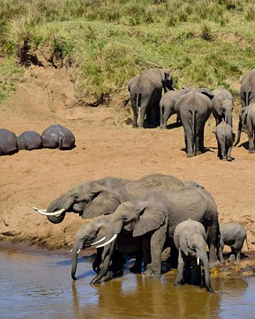
- Elephants: Large herds congregate along the riverbanks, especially during dry months (July–October).
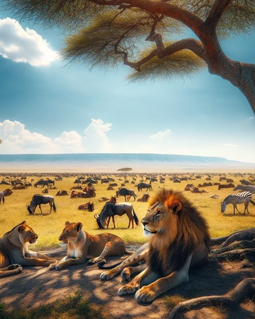
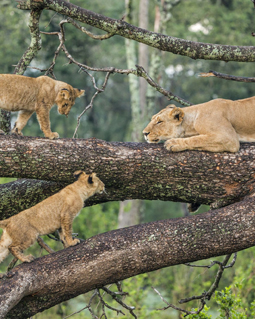
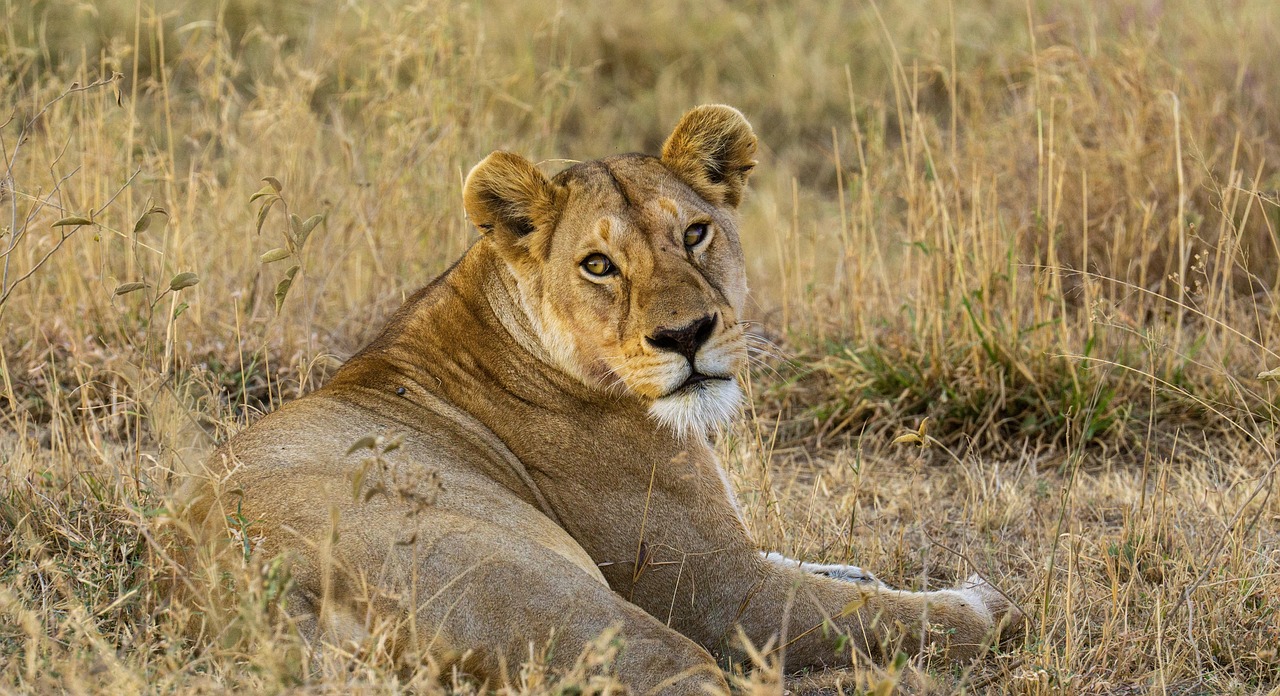
- Lions: Often spotted in the grasslands hunting or resting under trees.
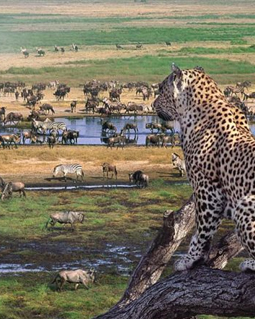
- Leopards and Cheetahs: Elusive predators that can be spotted in wooded areas or open plains.
- Buffalo, giraffes, zebras, and wildebeests: Common throughout the park’s plains.
- Birdlife: Including African fish eagles, pelicans, and flamingos near wetlands.
Best Time to Visit
The park is accessible year-round, but wildlife viewing is best during:
- June to October: Dry season; animals gather along the Tarangire River, making game drives especially rewarding.
- November to May: Wet season; the park is lush and green, with fewer tourists, but animals are dispersed.
Activities in Tarangire National Park
Visitors can enjoy a variety of safari experiences in the park:
- Game Drives: Morning and afternoon drives in 4x4 vehicles allow visitors to spot elephants, predators, and herbivores.
- Bird Watching: With hundreds of species, including raptors and waterbirds along the river and swamps.
- Guided Nature Walks: Short walks near camps provide opportunities to learn about flora, birds, and small mammals.
- Photography Safaris: Capture dramatic landscapes, baobabs, and wildlife interactions.
Accommodation Options
Tarangire offers a range of accommodations for all budgets:
- Luxury Lodges: Private lodges with panoramic views, swimming pools, and fine dining.
- Mid-range Camps: Comfortable tents or lodges near the park entrance or riverbanks.
- Budget Campsites: For travelers seeking a more adventurous and close-to-nature experience.
Travel Tips for Visiting Tarangire
- Book safaris in advance, especially during the dry season.
- Bring binoculars, camera, sunscreen, and insect repellent.
- Respect wildlife and maintain safe distances at all times.
- Wear neutral-colored clothing to blend with the environment.
- Combine Tarangire with Ngorongoro Crater or Lake Manyara for a full northern Tanzania safari experience.
Why Tarangire National Park is a Must-Visit
Tarangire is known for its peaceful wilderness, large elephant herds, and iconic baobab forests. Unlike the larger and busier parks, it offers intimate wildlife encounters and excellent photography opportunities. Its diverse habitats, rich birdlife, and scenic landscapes make it a unique destination for both first-time and returning safari travelers.
Whether you want to witness elephants in their natural environment, photograph ancient baobab trees, or enjoy a quiet game drive, Tarangire provides an unforgettable safari experience in northern Tanzania.