Tanzania
Choose Meremeta Safaris Today.
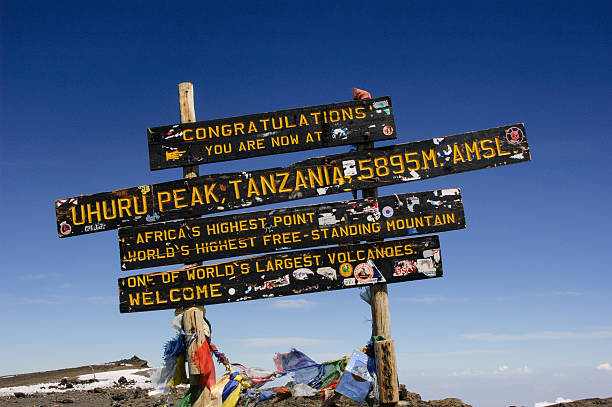
Mount Kilimanjaro is the tallest mountain in Africa and one of the world’s most famous trekking destinations. Every year, thousands of climbers travel to Tanzania to attempt the summit of this iconic mountain. However, choosing the best time to climb Mount Kilimanjaro is extremely important because weather conditions, rainfall, visibility, temperatures, and trail conditions can greatly affect the overall trekking experience and summit success.
Unlike technical mountains that require advanced climbing skills, Kilimanjaro is mainly a trekking mountain, but climbers still face challenging altitude conditions, freezing summit temperatures, changing weather patterns, and physically demanding hiking days. Because of this, selecting the right climbing season helps improve comfort, safety, and the chances of reaching Uhuru Peak successfully.
Mount Kilimanjaro can technically be climbed throughout the year, but certain months are considered much better than others. The dry seasons usually provide clearer skies, better trail conditions, warmer daytime temperatures, and more stable weather. Rainy seasons can make trails muddy, slippery, and colder, especially in the rainforest sections of the mountain.
The mountain also passes through several climate zones during the trek, including rainforest, moorland, alpine desert, and arctic summit conditions. Temperatures vary dramatically depending on altitude, time of day, and season. While lower slopes may feel warm and humid, summit night temperatures can fall well belo
Understanding Kilimanjaro Climbing Seasons
Mount Kilimanjaro has two main climbing seasons that are considered ideal for trekking because of drier weather and better visibility.
Main Kilimanjaro Climbing Seasons
| Season | Months | Conditions |
|---|---|---|
| Main Dry Season | June – October | Cool, dry, clear skies |
| Short Dry Season | January – March | Warmer temperatures and good visibility |
Best Overall Months to Climb Kilimanjaro
January to March
This period is one of the best times for climbing because temperatures are slightly warmer and snowfall near the summit can create beautiful scenery.
Advantages
- Less crowded trails
- Good summit visibility
- Warmer trekking conditions
- Beautiful snow at higher elevations
Possible Challenges
- Occasional rain showers
- Cold summit nights
June to October
This is the most popular climbing season for Mount Kilimanjaro due to stable dry weather conditions.
Advantages
- Best weather stability
- Dry trekking trails
- Excellent mountain visibility
- Ideal for photography
Possible Challenges
- More crowded routes
- Colder temperatures at higher altitudes
Rainy Seasons on Mount Kilimanjaro
Long Rain Season
| Rainy Season | Months | Conditions |
|---|---|---|
| Long Rains | March – May | Heavy rainfall and muddy trails |
| Short Rains | November | Intermittent rain showers |
The rainy seasons are generally less popular because trails become slippery and visibility may be reduced.
Can You Climb Kilimanjaro During Rainy Season?
Yes, climbing during rainy months is still possible, but trekkers should prepare for wetter and colder conditions.
Advantages of Rainy Season Climbs
- Fewer climbers on the mountain
- Lower accommodation costs
- Lush green rainforest scenery
Challenges of Rainy Season Climbs
- Muddy and slippery trails
- Wet gear and clothing
- Reduced visibility
- Higher chance of discomfort
Kilimanjaro Temperatures by Altitude
Temperatures on Mount Kilimanjaro change dramatically depending on altitude and time of day.
| Zone | Average Temperature |
|---|---|
| Rainforest Zone | 20°C – 30°C |
| Moorland Zone | 10°C – 20°C |
| Alpine Desert | 0°C – 10°C |
| Summit Zone | -20°C to -5°C |
Best Time for Summit Visibility
Dry seasons provide the clearest skies and best summit visibility for photography and scenic views.
Best Months for Visibility
- January
- February
- July
- August
- September
Best Time for Beginner Climbers
First-time trekkers are usually advised to climb during the dry seasons because trail conditions are easier and weather is more predictable.
Recommended Months for Beginners
- January
- February
- July
- August
- September
Best Kilimanjaro Routes by Season
Machame Route
Best during dry seasons due to scenic trails and excellent summit success rates.
Lemosho Route
Excellent for acclimatization and beautiful scenery throughout the year.
Marangu Route
Popular during rainy months because hut accommodations provide shelter.
Rongai Route
Often drier during rainy seasons because it approaches from the northern side.
Crowd Levels on Kilimanjaro
| Season | Crowd Level |
|---|---|
| July – September | Very Busy |
| January – February | Moderate |
| March – May | Low |
| November | Low to Moderate |
Best Time for Photography on Kilimanjaro
Photographers usually prefer dry seasons because of clearer skies and better mountain visibility.
Photography Advantages During Dry Season
- Clear summit views
- Beautiful sunrise conditions
- Better landscape visibility
- Dry camera conditions
Best Time for Snow on Kilimanjaro
Snow conditions vary yearly, but January to March often provides some of the best chances to see snow near the summit.
How Weather Affects Summit Success
Weather conditions can strongly affect physical comfort, morale, trail conditions, and altitude adaptation.
Good Weather Benefits
- Improved trekking comfort
- Better sleeping conditions
- Higher motivation
- Safer trail conditions
What to Pack Based on Climbing Season
Dry Season Essentials
- Sun protection
- Layered clothing
- Warm summit gear
Rainy Season Essentials
- Extra waterproof clothing
- Rain covers for backpacks
- Waterproof gloves and boots
Important Kilimanjaro Travel Tips
- Book climbs early during peak season
- Choose longer routes for better acclimatization
- Train physically before your climb
- Pack proper summit clothing
- Use experienced Kilimanjaro guides
Recommended Months Summary
| Month | Recommendation |
|---|---|
| January – February | Excellent climbing conditions |
| March – May | Rainy and challenging |
| June – October | Best overall climbing season |
| November | Short rainy season |
| December | Good conditions with holiday crowds |
Final Thoughts on Best Time to Climb Mount Kilimanjaro
The best time to climb Mount Kilimanjaro is generally during the dry seasons from January to March and June to October when weather conditions are more stable and visibility is excellent. These periods provide the best balance between trail conditions, comfort, safety, and summit success opportunities.
However, every season offers unique experiences depending on travel goals, crowd preferences, photography interests, and budget considerations. Some climbers prefer quieter rainy-season treks, while others choose peak dry months for the best weather and scenic views.
By understanding Kilimanjaro’s seasonal weather patterns and choosing the right climbing period, trekkers can better prepare for an unforgettable adventure to Africa’s highest mountain.
Book This Tour
Why Book With Us?
- Experienced local guides
- Flexible, tailor-made safaris
- Secure bookings & trusted service
- 24/7 client support