
Tanzania
Choose Meremeta Safaris Today.
Training for Mount Kilimanjaro is one of the most important parts of preparing for a successful summit. Although climbing Kilimanjaro does not require technical mountaineering skills, the trek is physically demanding because of long hiking days, steep terrain, cold weather, and high altitude conditions. Many first-time climbers underestimate the physical and mental preparation needed for the expedition, especially the endurance required for summit night.
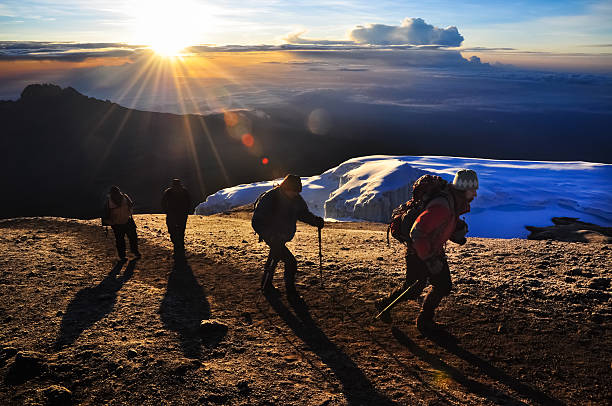
Mount Kilimanjaro stands at 5,895 meters (19,341 feet) above sea level and involves multiple days of trekking through changing climate zones ranging from rainforest to freezing alpine conditions. Climbers typically hike between 5 and 9 days depending on the selected route, often walking for several hours daily while carrying daypacks at increasing altitudes with reduced oxygen levels.
The good news is that beginners can successfully climb Kilimanjaro with proper training and preparation. A well-balanced training plan improves cardiovascular fitness, leg strength, hiking endurance, recovery ability, and mental resilience. Training also helps reduce fatigue, improve acclimatization performance, and increase overall summit success rates.
The best Kilimanjaro training programs focus on long-distance walking, uphill hiking, cardio conditioning, strength exercises, flexibility, and gradual endurance building. Consistency is more important than extreme workouts, especially for beginners who may be preparing for their first multi-day trekking adventure.
Why Training for Kilimanjaro is Important
Proper training improves stamina, endurance, strength, and overall trekking performance on Mount Kilimanjaro.
Main Challenges Climbers Face
- Long hiking hours
- Steep uphill trekking
- Cold weather
- Reduced oxygen at high altitude
- Physical fatigue
Do Beginners Need to Train for Kilimanjaro?
Yes, beginners should prepare physically before attempting the climb.
Benefits of Training
- Better endurance
- Reduced exhaustion
- Improved summit chances
- Faster recovery during the trek
- Greater mental confidence
How Difficult is Kilimanjaro Physically?
Kilimanjaro is more of an endurance challenge than a technical climbing challenge.
:contentReference[oaicite:0]{index=0}At this elevation, the body works harder because oxygen levels are significantly lower than at sea level.
How Early Should You Start Training?
| Fitness Level | Recommended Training Time |
|---|---|
| Beginner | 3–6 Months |
| Moderately Active | 2–4 Months |
| Experienced Hiker | 1–3 Months |
Main Areas to Focus On
1. Cardiovascular Fitness
Cardio fitness helps the body perform better during long hiking days and high-altitude trekking.
Best Cardio Exercises
- Running
- Cycling
- Swimming
- Fast walking
- Stair climbing
2. Hiking Endurance
Long-distance hiking practice is one of the best ways to prepare for Kilimanjaro.
Recommended Hiking Practice
- Weekend hikes
- Uphill trekking
- Walking with a backpack
- Multi-hour hikes
Target Hiking Duration
:contentReference[oaicite:1]{index=1}3. Leg Strength Training
Strong legs improve climbing performance and reduce fatigue during uphill trekking.
Best Leg Exercises
- Squats
- Lunges
- Step-ups
- Wall sits
- Calf raises
4. Core Strength
Core muscles help improve balance, posture, and backpack carrying stability.
Recommended Core Exercises
- Planks
- Crunches
- Mountain climbers
- Leg raises
Best Weekly Training Schedule for Beginners
| Day | Training Activity |
|---|---|
| Monday | Cardio workout |
| Tuesday | Strength training |
| Wednesday | Walking or hiking |
| Thursday | Cardio and core exercises |
| Friday | Rest or stretching |
| Saturday | Long hike practice |
| Sunday | Recovery or light walking |
Training with a Backpack
Practicing with a backpack helps the body adapt to carrying equipment during the climb.
Important Tips
- Use realistic pack weight
- Train on hills when possible
- Adjust backpack fit properly
Stair Climbing for Kilimanjaro
Stair climbing is excellent preparation for uphill trekking.
Benefits
- Improves leg endurance
- Strengthens climbing muscles
- Boosts cardiovascular fitness
Altitude Training for Kilimanjaro
Many climbers worry about altitude preparation before the expedition.
Important Facts About Altitude
- Not everyone has access to high-altitude training
- Good acclimatization routes are very important
- Physical fitness alone does not prevent altitude sickness
Best Training for Summit Night
Summit night is the most difficult part of climbing Kilimanjaro.
Main Summit Challenges
- Extreme fatigue
- Cold temperatures
- Low oxygen levels
- Long uphill trekking
Helpful Training Methods
- Long hikes
- Endurance cardio
- Mental resilience exercises
Importance of Mental Preparation
Mental strength is extremely important during multi-day trekking expeditions.
Mental Challenges
- Cold weather
- Fatigue
- Sleep difficulties
- Summit night pressure
Flexibility and Recovery Training
Recommended Recovery Activities
- Stretching
- Yoga
- Foam rolling
- Light recovery walks
Recovery helps reduce injuries and muscle soreness during training.
Nutrition During Training
Important Nutrition Tips
- Eat balanced meals
- Stay hydrated
- Increase protein intake for recovery
- Use healthy carbohydrates for energy
Common Training Mistakes to Avoid
- Starting training too late
- Ignoring endurance training
- Overtraining without recovery
- Skipping hiking practice
- Not training with proper footwear
How to Test Your Readiness for Kilimanjaro
Signs You Are Improving
- Comfortable during long hikes
- Better recovery after exercise
- Improved stamina
- Reduced fatigue during uphill walks
Best Fitness Level for Kilimanjaro Beginners
You do not need to be an athlete, but consistent endurance training greatly improves the overall trekking experience.
Ideal Preparation Goals
- Walk comfortably for several hours
- Handle uphill terrain
- Carry a light backpack comfortably
- Maintain steady hiking pace
Training Equipment That Can Help
- Treadmill with incline
- Stair machine
- Hiking poles
- Weighted backpack
- Supportive hiking shoes
Final Tips Before the Climb
- Rest properly before travel
- Break in hiking boots early
- Stay hydrated before the trek
- Avoid exhausting workouts immediately before departure
Final Thoughts on Kilimanjaro Training for Beginners
Training for Mount Kilimanjaro is one of the best ways to improve comfort, safety, and summit success during the expedition. While Kilimanjaro does not require technical climbing experience, the mountain still demands endurance, mental resilience, and strong physical preparation.
Beginners who focus on cardio fitness, hiking practice, leg strength, endurance building, and proper recovery can greatly improve their trekking experience and confidence on the mountain. Consistent training over several months is usually more effective than short periods of intense exercise.
With proper preparation, determination, and gradual acclimatization, many first-time climbers successfully reach Uhuru Peak and enjoy one of the greatest trekking adventures in Africa.
Book This Tour
Why Book With Us?
- Experienced local guides
- Flexible, tailor-made safaris
- Secure bookings & trusted service
- 24/7 client support